When you’re moving goods between Malaysia and Singapore, every minute and dollar counts. You’ve probably noticed how traditional shipping methods pile on costs through warehousing fees, handling charges, and frustrating delays at customs. Here’s what most logistics managers miss: trucking services are clearing the Johor-Singapore border in under 15 minutes and cutting total landed costs by up to 30%. The difference comes down to three specific advantages that most freight forwarders won’t tell you about.
How Dedicated Customs Lanes Speed Up Malaysia-Singapore Trucking
How do trucks carrying goods between Malaysia and Singapore bypass the notorious bottlenecks that once added hours to border crossings? Dedicated customs lanes now process pre-approved cargo in under 15 minutes. When you select trucking services from Malaysia to Singapore with authorized economic operator status, your shipments qualify for expedited clearance. This reduces detention costs by 60% and cuts total transit time from 4 hours to 90 minutes.
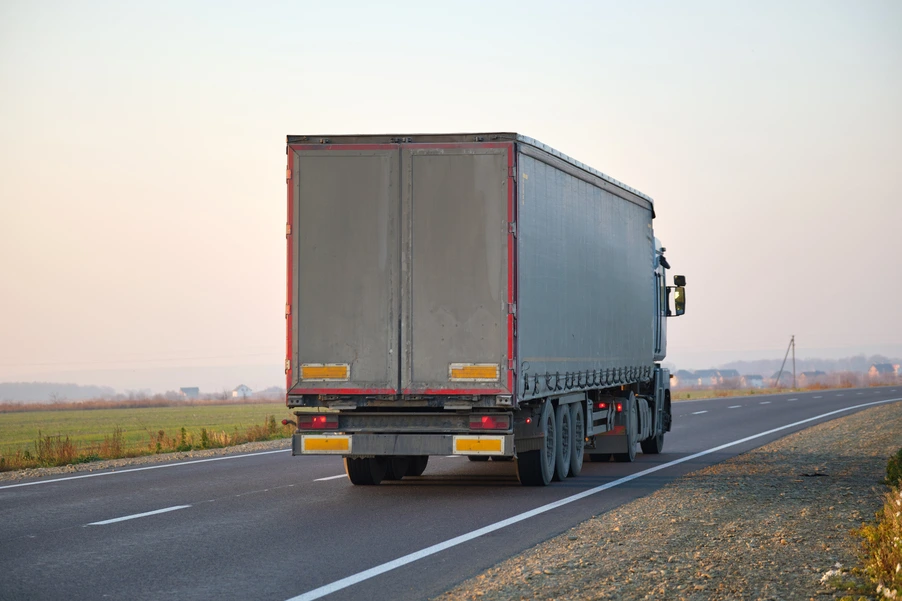
Why Trucks Beat Air and Sea Freight Between Malaysia and Singapore
Speed advantages at customs mean little if you’ve chosen the wrong transport mode. For the 350km Malaysia-Singapore route, trucks deliver in 8-12 hours at $0.80-$1.20 per km. Air freight costs 5x more with 24-hour minimum processing time. Sea freight requires 48-72 hours for a route trucks complete overnight. You’ll cut costs 60% while maintaining next-day delivery schedules.
How Cross-Border Trucking Cuts Your Malaysia-Singapore Logistics Costs
Cross-border trucking between Malaysia and Singapore eliminates three cost layers that drain your logistics budget: warehousing intermediaries, cargo handling fees, and multi-modal transfer expenses. Direct truck routes reduce your total landed costs by 15-30% compared to air-sea combinations. You’ll consolidate shipments in single vehicles, pay one carrier invoice, and avoid storage fees at transshipment points. Your goods move door-to-door without unnecessary touchpoints.
FTL vs. LTL and Temperature Control: Matching Service to Shipment Type
Your shipment volume and cargo specifications determine which trucking service delivers the lowest cost per unit. Full truckload (FTL) reduces handling and transit time for volumes exceeding 10 pallets, while less-than-truckload (LTL) splits costs among multiple shippers for smaller loads. Temperature-controlled trucks add 15-25% to base rates but prevent spoilage losses exceeding transport costs for perishables requiring 2-8°C environments.